How to Select EMI Filter
With the development of modern society, electronic and electrical equipment have become an indispensable part of people’s daily production and life, and the problems caused by EMI (electromagnetic interference) have become increasingly obvious. EMI is an inevitable problem when designing electronic and electrical equipment today, so EMC requirements should be met when designing. Understanding the basic concepts of EMI and EMC is essential for proper filter selection and minimizing interference in electronic systems.
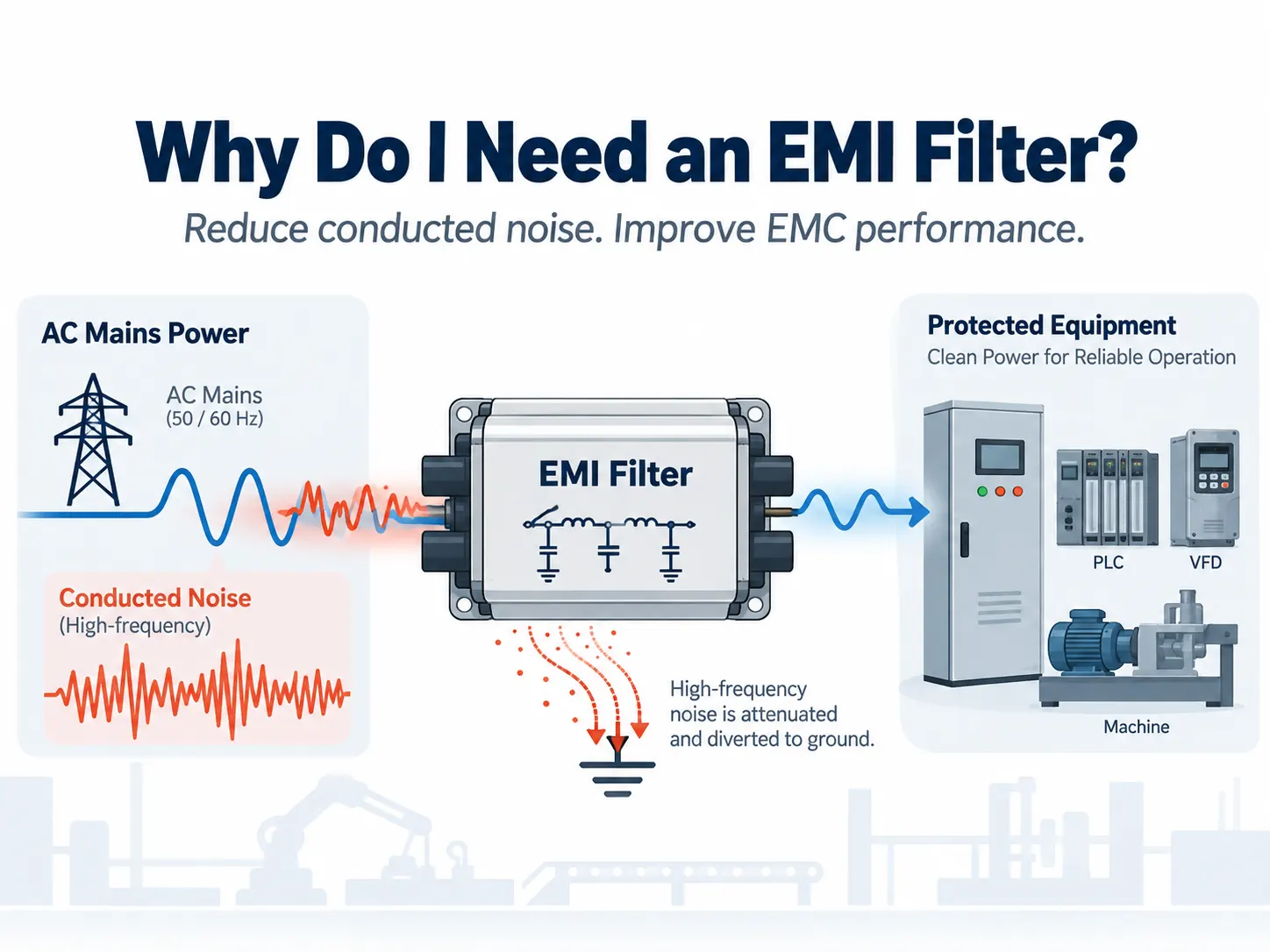
Electromagnetic interference or electromagnetic noise may affect the normal operation of equipment or even damage it, which is why EMI filters have become an important part of the anti-interference of electronic and electrical equipment. EMI filter, also called EMI suppression filter, is an important way to achieve normal operation of equipment by suppressing unwanted electromagnetic interference signals or electromagnetic noise. But not just any EMI power filter can achieve this effect.
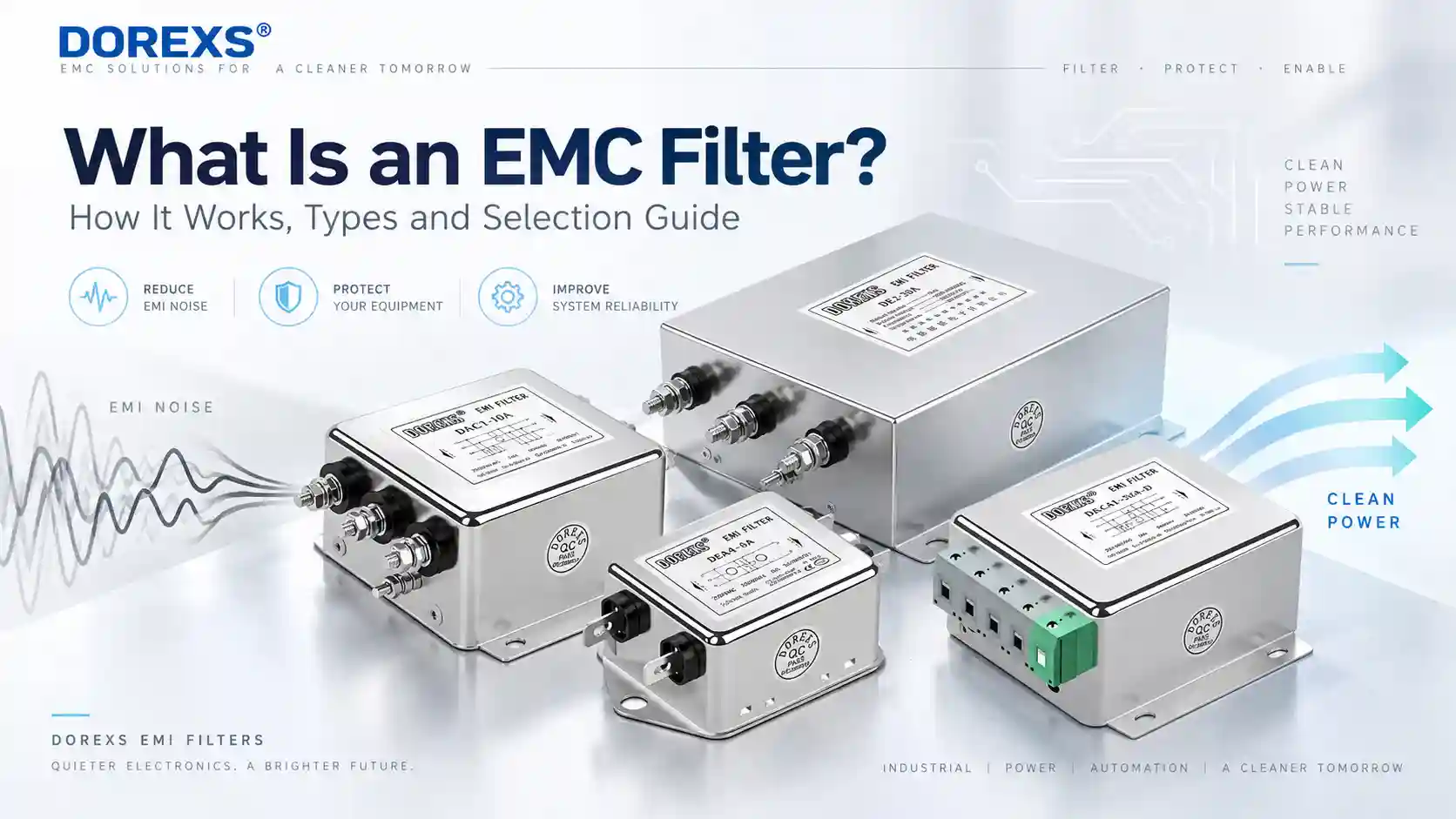
Different types and models of EMI filters can bring different suppression effects (for example, an EMI filter suitable for one device may not be suitable for another device), so it is particularly important to choose the appropriate EMI filter. The following article lists some things you need to pay attention to when choosing an EMI filter:
Electromagnetic interference or electromagnetic noise may affect the normal operation of equipment or even damage it, which is why EMI filters have become an important part of the anti-interference of electronic and electrical equipment. EMI filter, also called EMI suppression filter, is an important way to achieve normal operation of equipment by suppressing unwanted electromagnetic interference signals or electromagnetic noise. But not just any EMI power filter can achieve this effect.
Different types and models of EMI filters can bring different suppression effects (for example, an EMI filter suitable for one device may not be suitable for another device), so it is particularly important to choose the appropriate EMI filter. The following article lists some things you need to pay attention to when choosing an EMI filter:

The performance of the filter itself
- Rated voltage: Rated voltage refers to the maximum voltage value at which the filter can operate normally. Generally, the single-phase EMI filter is 115/250VAC, and the three-phase EMI filter is 380/440VAC. For special rated voltage values, a special EMI filter should be selected. Filters must be selected for both ac voltage and high dc voltage conditions, and voltage ratings should match the application's voltages to ensure reliable operation.
- Rated current: The rated current refers to the maximum current load that the EMI filter can operate safely under normal circumstances. The rated current of the selected EMI filter should meet the steady-state current passing through the device.
- Operating temperature: The operating temperature refers to the operating temperature at which the full load current is present. When selecting an EMI filter, you should choose an operating temperature that meets the maximum current of the device. It is important to consider the ambient temperature at the installation location and review the filter's derating curve to ensure reliable performance under actual conditions.
- Leakage current: Leakage current refers to the phenomenon that current flows uncontrollably to the ground or other paths where it should not flow in a circuit or equipment. In many countries/regions, there are clear safety regulations on leakage current, and some countries/regions have unique power systems, so it is particularly important to choose the correct EMI filter to avoid the consumption of time and cost.
- Frequency range: Determine the frequency range you need to filter. Different types of filters (RF filters, power filters, feedthrough capacitor EMI filters, etc.) have different shielding ranges for electromagnetic interference, so you need to choose a filter that suits the frequency range of your application. Filter performance and attenuation can vary significantly at different frequencies, especially above 1MHz, so insertion loss should be checked across the relevant frequency range.
- Other characteristics: In addition to the above, other characteristics such as ESR (equivalent series resistance), dissipation factor, and Q factor can impact filter performance and should be considered during selection.
- Corrosion resistance: Because the EMI filter is installed inside the equipment and is a piece of equipment that works for a long time. If you work in a harsh environment for a long time, the corrosion resistance of your EMI filter’s own shell should be suitable for the working environment. Avoid damage to the EMI filter housing, thereby reducing the anti-interference capability.
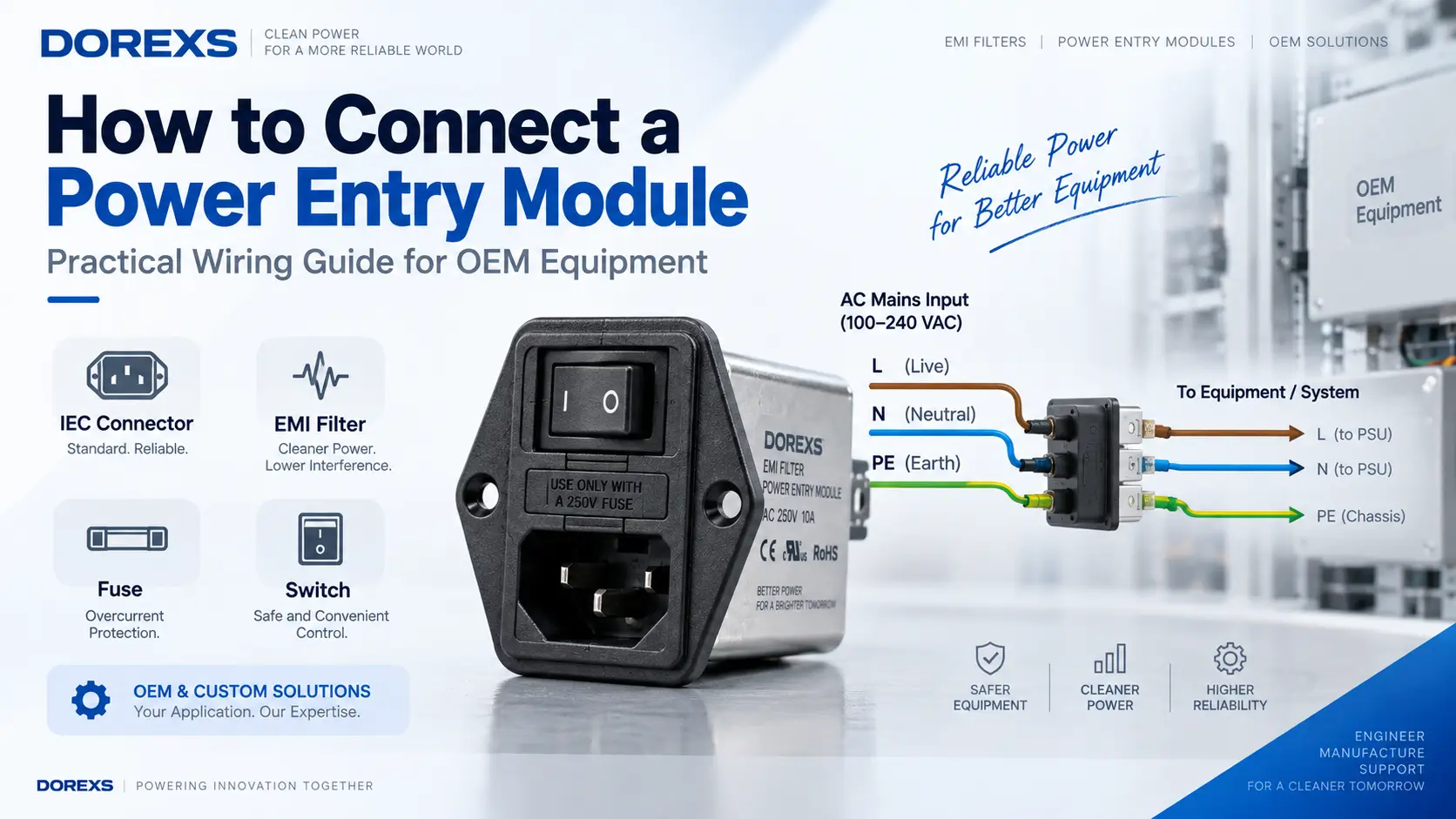
- Installation method: EMI filters usually have wires, studs, terminal blocks and insertion methods. Different equipment may choose different connection methods, so it is important to choose the correct connection method. Proper output filtering is also important to address noise and ripple at the power supply's output terminals.
- Size requirements: Because EMIi filters are installed inside electronic and electrical equipment, there are certain space restrictions during design, so it is necessary to select an EMI filter of appropriate size.
Introduction to EMI Filtering
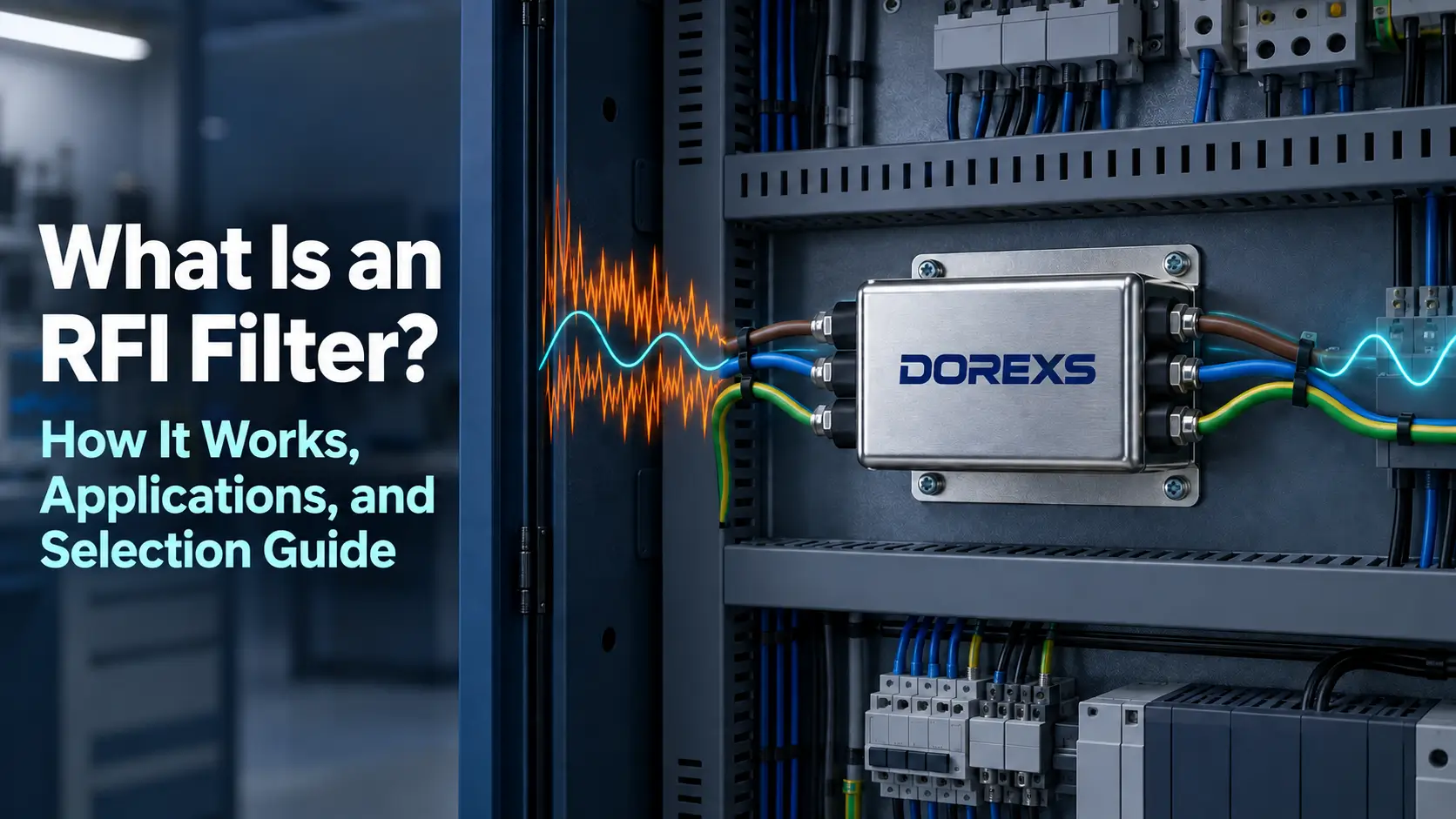
Electromagnetic interference (EMI) is a persistent challenge in the design and operation of modern electronic devices. As our reliance on technology grows, so does the need to ensure that these devices function reliably, free from the disruptive effects of unwanted electrical noise. This is where EMI filtering becomes essential. EMI filters, also known as EMI suppression filters or EMC filters, are specifically engineered to attenuate high-frequency signals and conducted noise that can compromise the performance of sensitive electronic equipment.
At their core, EMI filters are used to prevent EMI from affecting the operation of a wide variety of electronic devices, from AC-DC power supplies and commercial filters to critical medical applications. By suppressing electromagnetic interference, these filters help maintain the integrity and reliability of power supplies and other electronic systems. EMI filters are commonly categorized into two main types: low-pass EMI filters, which allow low-frequency signals to pass while blocking higher-frequency noise above a certain cutoff frequency, and high-pass filters, which do the opposite. The cutoff frequency is a key parameter, marking the point where the filter begins to significantly attenuate unwanted signals—typically where the amplitude drops by 3 dB from the passband.
The effectiveness of an EMI filter depends on several factors, including input voltage, current rating, voltage rating, and operating temperature. Filter manufacturers design EMI filters using a combination of components such as capacitors, inductors, and sometimes resistors, each chosen for their specific electrical characteristics. The values of these components—such as capacitance and inductance—directly influence the filter’s performance, including its ability to attenuate noise across a defined frequency range.
When selecting the right EMI filter, design engineers must consider not only the type of filter but also the application requirements, such as the input current, voltage, and the environment in which the filter will operate. For example, EMI filters are critical in AC-DC power supplies to suppress conducted noise on power lines, ensuring stable operation of the connected electronic device. In medical and military applications, where reliability is paramount, the filter’s insertion loss values and frequency range become especially important to prevent EMI from disrupting critical operations.
Filter cost, component values, and the specific needs of the application all play a role in determining the most suitable EMI filter. Whether for commercial filters, high-reliability military applications, or sensitive medical devices, understanding the basics of EMI filtering is the first step toward ensuring robust electromagnetic compatibility.
In summary, EMI filtering is a vital process in safeguarding electronic devices from the adverse effects of electromagnetic interference. By carefully considering factors such as filter type, component selection, and application requirements, design engineers can select the right EMI filter to ensure optimal performance and reliability across a broad range of electronic systems.
At their core, EMI filters are used to prevent EMI from affecting the operation of a wide variety of electronic devices, from AC-DC power supplies and commercial filters to critical medical applications. By suppressing electromagnetic interference, these filters help maintain the integrity and reliability of power supplies and other electronic systems. EMI filters are commonly categorized into two main types: low-pass EMI filters, which allow low-frequency signals to pass while blocking higher-frequency noise above a certain cutoff frequency, and high-pass filters, which do the opposite. The cutoff frequency is a key parameter, marking the point where the filter begins to significantly attenuate unwanted signals—typically where the amplitude drops by 3 dB from the passband.
The effectiveness of an EMI filter depends on several factors, including input voltage, current rating, voltage rating, and operating temperature. Filter manufacturers design EMI filters using a combination of components such as capacitors, inductors, and sometimes resistors, each chosen for their specific electrical characteristics. The values of these components—such as capacitance and inductance—directly influence the filter’s performance, including its ability to attenuate noise across a defined frequency range.
When selecting the right EMI filter, design engineers must consider not only the type of filter but also the application requirements, such as the input current, voltage, and the environment in which the filter will operate. For example, EMI filters are critical in AC-DC power supplies to suppress conducted noise on power lines, ensuring stable operation of the connected electronic device. In medical and military applications, where reliability is paramount, the filter’s insertion loss values and frequency range become especially important to prevent EMI from disrupting critical operations.
Filter cost, component values, and the specific needs of the application all play a role in determining the most suitable EMI filter. Whether for commercial filters, high-reliability military applications, or sensitive medical devices, understanding the basics of EMI filtering is the first step toward ensuring robust electromagnetic compatibility.
In summary, EMI filtering is a vital process in safeguarding electronic devices from the adverse effects of electromagnetic interference. By carefully considering factors such as filter type, component selection, and application requirements, design engineers can select the right EMI filter to ensure optimal performance and reliability across a broad range of electronic systems.
Application environment and application requirements
1.Equipment type: Different equipment types also require different EMI filters. For example, inverters, servo motors and drives require three phase EMI filters, while some household consumer appliances (washing machines, air conditioners, fitness equipment) require single phase EMI filter.
2.Industry standards: Each industry has different emission and safety standards. For example, medical equipment requires medical-grade EMI filters, and military aerospace requires military-standard EMI filters.
3.EMI filter type: Some EMI filters are designed with their scope of use determined, such as PCB filters, IEC input filters and base-mounted filters.
4.Power supply system: Different countries/regions have different power supply systems. Common ones include single-phase and three-phase power supply systems. In addition, there must be some special forms, so the selected EMI filter should match the local power supply system. In order to ensure the best anti-interference effect.
To sum up, there are many factors to consider when choosing a suitable filter. The above can be used as a reference for the selection of commonly used EMI/EMC filters, but it cannot cover all situations. If conventional reference methods do not help you choose the EMI filter that is suitable for you, in this case you may need a customized solution. For critical applications in aerospace, military, and medical devices, it is essential to select the right EMI filter designs that meet stringent reliability requirements. Collaborating with an experienced filter manufacturer ensures you receive optimal solutions tailored to your environment and compliance needs. Whether you need a regular EMI solution or a custom EMI solution, can support you.
DOREXS EMI filters
If you need effective EMI protection or EMC testing, DOREXS can provide you with reliable and durable EMI filters. We provide high-quality EMI filters for military, aerospace and medical applications, as well as cost-effective EMI filters for small home appliances and industrial uses. If you need an EMI filter with special custom requirements, our team of experts can design an EMI suppression filter that meets your specific requirements.
With 15 years of EMI experience, DOREXS is a trusted manufacturer of high-quality EMI filters for medical, military, commercial and residential applications. All our EMI filters comply with industry standards and EMC regulations. Explore our selection of EMI filters or submit a custom quote request to get the perfect EMI filter for your needs.
For more information about DOREXS custom and standard EMI filters, please contact us.
Learn more about DOREXS EMI solutions.
With 15 years of EMI experience, DOREXS is a trusted manufacturer of high-quality EMI filters for medical, military, commercial and residential applications. All our EMI filters comply with industry standards and EMC regulations. Explore our selection of EMI filters or submit a custom quote request to get the perfect EMI filter for your needs.
For more information about DOREXS custom and standard EMI filters, please contact us.
Learn more about DOREXS EMI solutions.
Understand What Does an EMI Filter Do
How to Test EMI Filter