How to install EMI filter
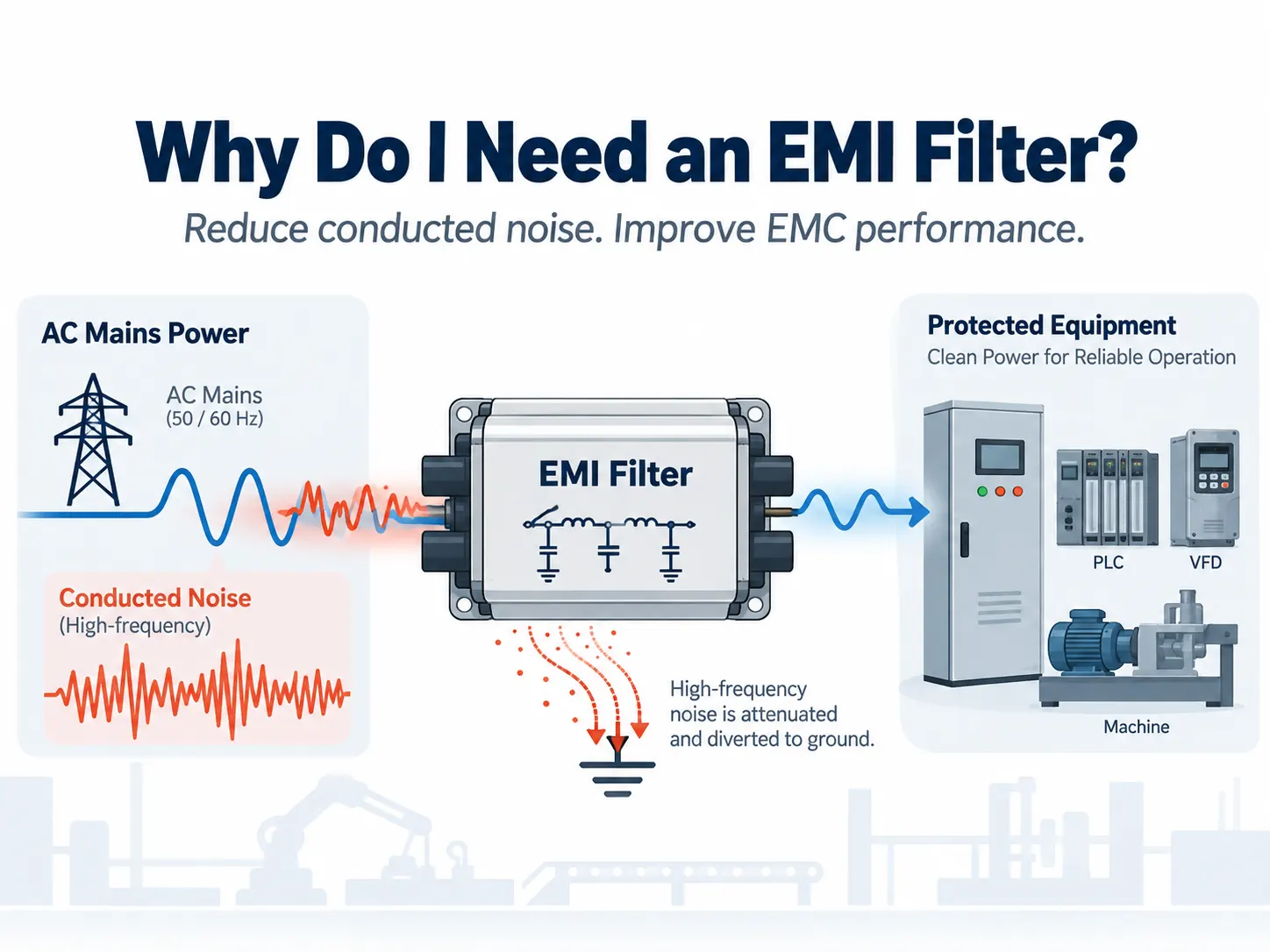
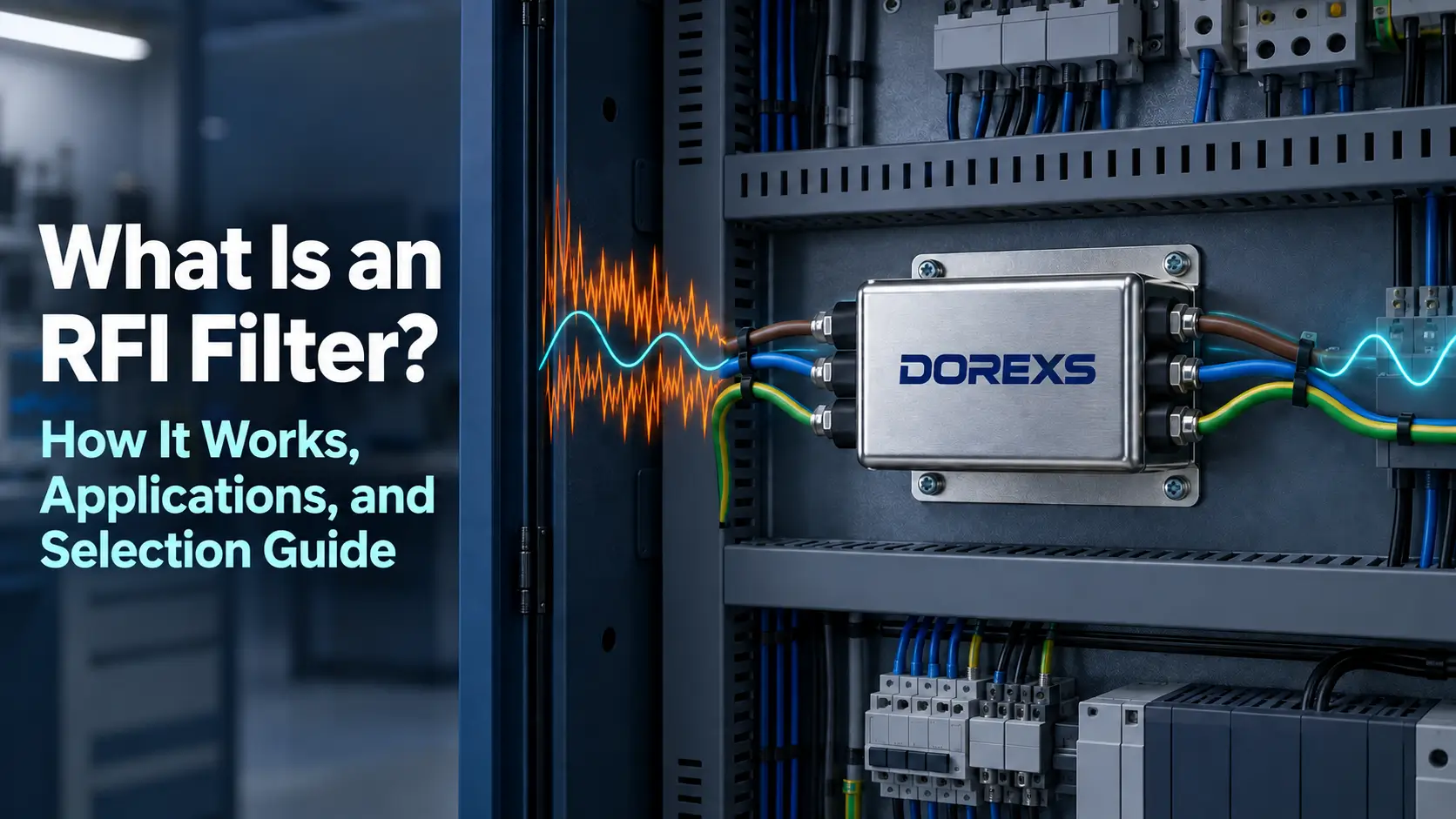
EMI filters are key components in protecting electronic systems from the harmful effects of electromagnetic interference, ensuring that electronic systems function properly and avoid causing or receiving interference to other systems. These filters work by analyzing the frequency and amplitude of interfering signals and selectively blocking or attenuating the interference using specialized components. There are many types of EMI filters available on the market, including passive, active, and hybrid designs, each suitable for different applications and interference situations. Understanding the characteristics and applications of these filters is essential to selecting the right filter for your needs, ensuring that your equipment is protected and maintains optimal performance in an environment with multiple electronic systems.
The Best Way To Install EMI Filters

detailed explanation of grounding techniques, wiring techniques and installation techniques
EMI filter is an effective device used to reduce electromagnetic interference from electronic equipment. EMI filters are a necessary component for ensuring proper system operation by preventing interference between devices. The need for EMI filters depends on the presence and level of EMI sources in the environment, as these sources generate electromagnetic interference that can affect equipment. Installing EMI filters can effectively prevent mutual interference between devices and meet industry standard compliance. Correct installation of EMI filters enables proper operation of electronic systems by preventing interference and can significantly enhance its performance. This article will introduce grounding techniques, wiring techniques, installation techniques and their advantages in detail.
1. Grounding skills
For powerful filtering, good grounding is essential. Here are some grounding tips:
- Keep the ground stable: Fix the ground potential of the EMI filter so that there is no voltage difference between it and the wall power and equipment ground potential.
- Avoid ground loops: All ground wires should be grounded at a single point as much as possible to avoid ground loops and reduce internal interference.
- Use short and wide ground wires: This reduces ground resistance and inductance, thereby improving filtering performance.
Proper grounding and bonding of EMI filters and host equipment are essential to achieve optimum performance and ensure safety compliance.
A low-impedance grounding system is necessary to effectively manage high frequencies and reduce radiated emissions, improving system immunity.
A low-impedance grounding system is necessary to effectively manage high frequencies and reduce radiated emissions, improving system immunity.
2. Wiring skills
The wiring method will also affect the performance of the EMI filter. Here are some wiring tips:
- A few key considerations for wiring and cable layout are crucial for maintaining EMI filter performance and minimizing noise interference.
- Separate power lines and signal lines: To reduce mutual interference between them as much as possible, power lines and signal lines should be laid out separately.
- Choose high-quality cables: The cables should be well shielded and have low resistance and low inductance properties.
Cable layout proper control is important to minimize noise and maintain an organized wiring system. Proper control of wires and cables helps to maintain EMI filter performance and minimize noise interference. Good filter wiring practices are essential for maintaining filter performance and reducing alternate noise paths. Careful cable layout and wiring are also important for reducing alternate noise paths that can degrade filter effectiveness. High frequency noise, especially in the tens of MHz range, can be radiated through cables and wiring, so proper installation is needed to mitigate both radiated and conducted emissions.
3. Installation skills

Proper installation methods can also enhance the performance of EMI filters. Here are some installation tips:
- Installation close to the power input: The filter should be installed closest to the power input to reduce the possibility of electromagnetic interference.
- Pay attention to heat dissipation: strengthen the cooling of the filter to avoid overheating, which may damage components and reduce equipment performance.
Proper installation techniques ensures the EMI filter functions as intended. Achieving maximum filter effectiveness requires correct installation practices, including proper grounding, wiring, and mounting. EMI filter mounting is crucial for minimizing radiated and conducted high-frequency noise and ensuring optimal performance. Proper mounting techniques directly affect the EMI filter's performance in reducing electromagnetic interference. Identifying the key parameter for your application is important for maintaining EMI filter performance.
4. Advantages of the best installation method
Proper installation of EMI filters can bring the following advantages:
- Improve equipment performance: The above grounding techniques, wiring techniques and installation techniques can significantly reduce the electromagnetic noise of the equipment and improve the equipment performance.
- Reduce interference: Optimal installation practices reduce the potential for electromagnetic interference and keep any electromagnetic interference to an acceptable level.
- Maintaining EMI filter performance depends on proper installation practices such as grounding, bonding, wiring, and mounting to ensure maximum effectiveness and proper system operation.
- Properly installed EMI filters provide better protection and reliability for your equipment.
- Improve equipment life: Formal installation and grounding methods can help the filter better protect, thereby extending the life of the equipment.
In summary, only by following the best installation methods can we maximize the performance of the EMI filter, improve equipment performance, and reduce electromagnetic interference, thereby ensuring the stable operation of electronic equipment and extending the service life of the product.

Preparing for Installation
Proper preparation is essential for successful EMI filter installation. Begin by planning the cable layout to maintain physical isolation between power and control wires, which helps minimize radiated noise and reduce alternate noise paths. Select shielded cables where possible, and ensure redundant safety wire connections for added reliability. The installation process should also include choosing the correct entry point for the filter, making sure it is securely and correctly connected to the host equipment. By following proper installation techniques and maintaining physical isolation, you can achieve maximum filter effectiveness and ensure long-term, trouble-free operation.
Mounting Considerations
The way you mount your EMI filter has a significant impact on its performance and the overall electromagnetic compatibility of your system. Opt for mounting methods such as bulkhead mount or case bulkhead mounting to ensure a secure and effective installation. It’s crucial to establish solid metal-to-metal bonding between the filter housing and the host cabinet’s metal surfaces, as this enhances grounding and reduces the risk of radiated noise and alternate noise paths. Use insulating materials where necessary to maintain physical isolation between the filter and other components. Careful control of cable layout and routing, along with proper mounting techniques, will help you achieve optimal EMI filter performance and maintain compliance with EMC standards.
DOREXS EMI filters
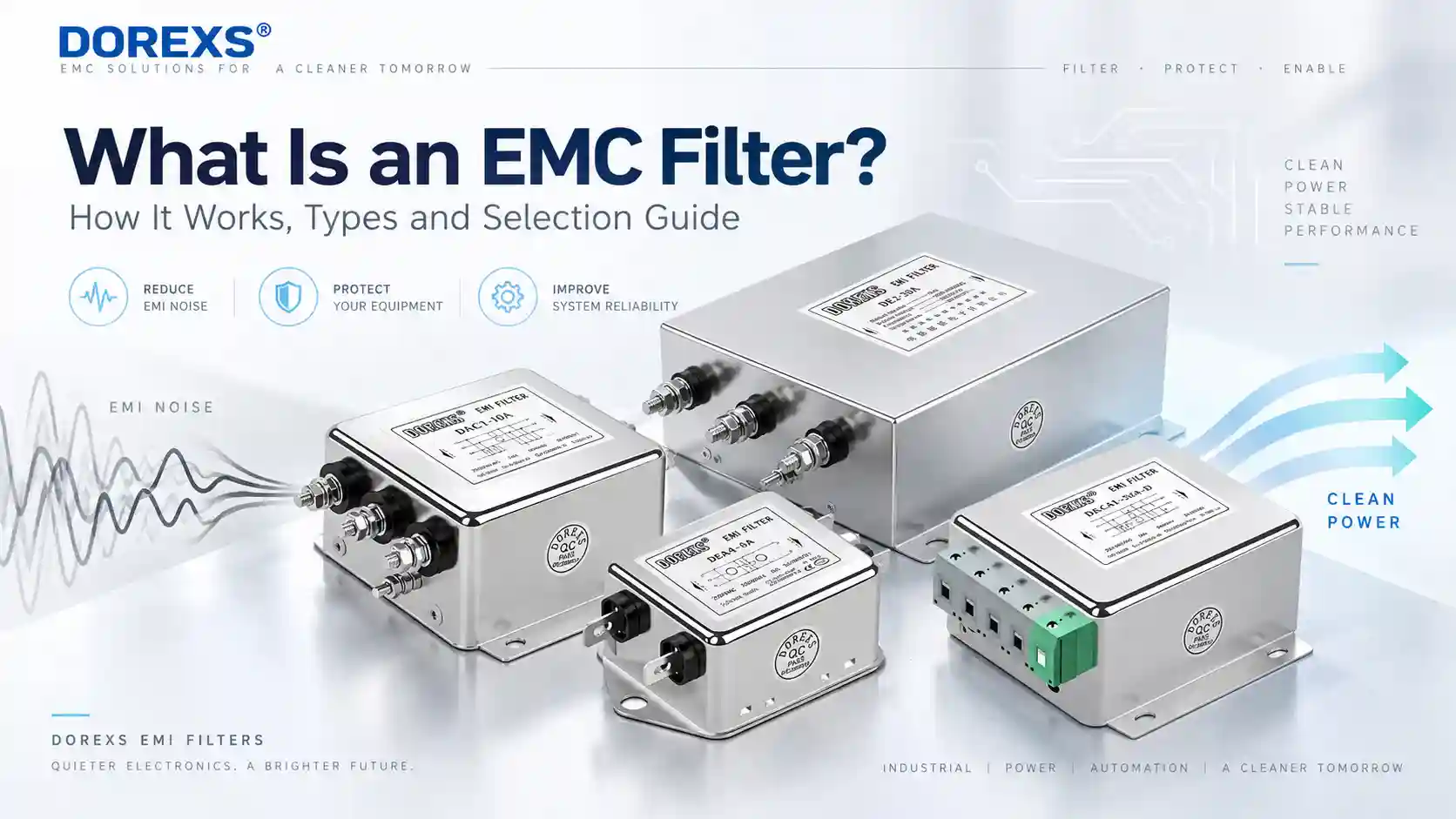
Since its establishment in 2008, DOREXS has been committed to the research and development of high-quality EMI filters, including commercial, industrial, home appliances, medical and military fields. The EMI filters we provide can help you meet EMC test standards and enhance the EMI performance of your equipment.
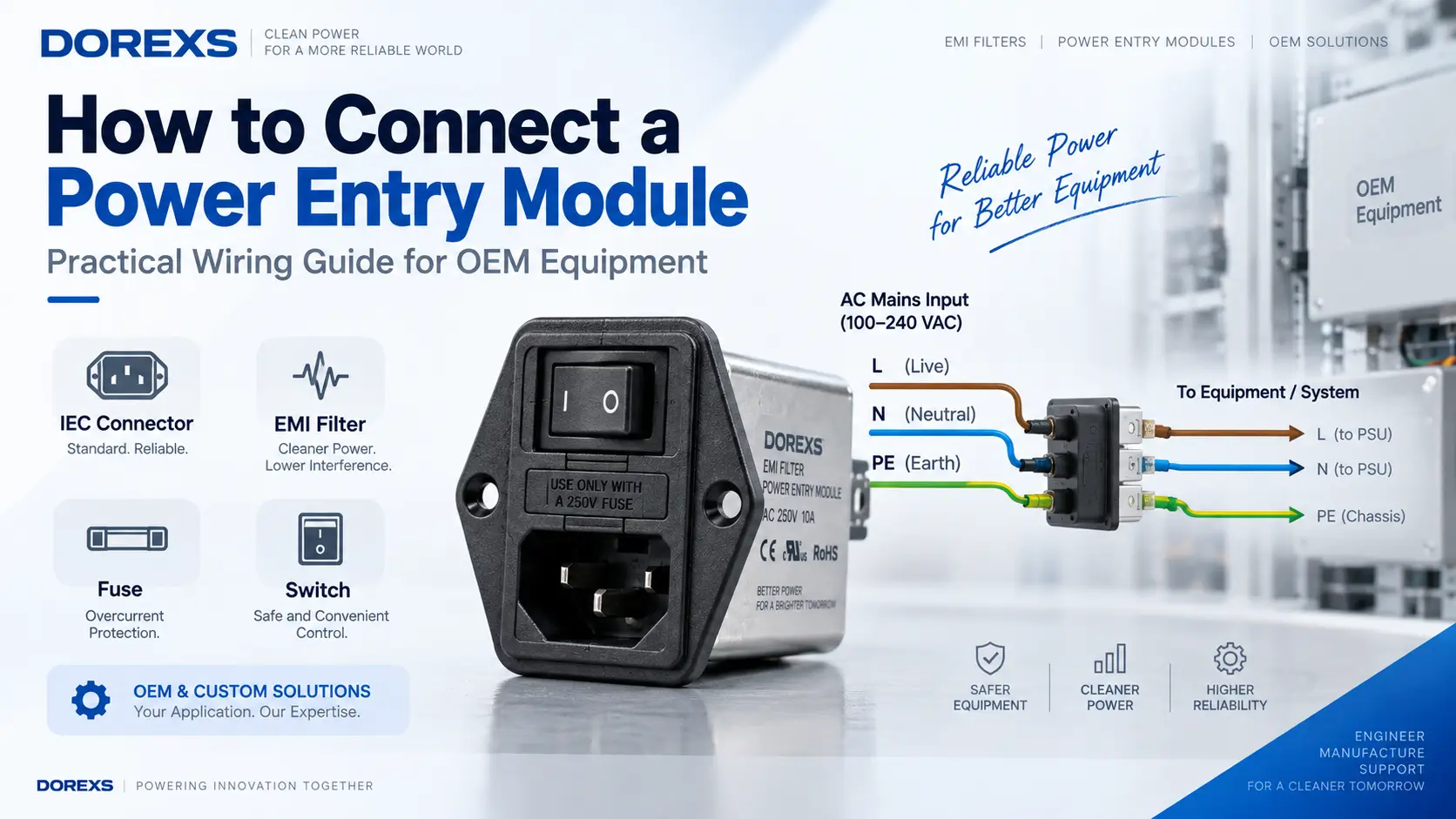
DOREXS offers both AC and DC power line filters as part of our comprehensive EMI filter solutions, highlighting our expertise and customization capabilities in these products. Our EMI filters are used with various power supplies to ensure device performance and compliance with standards. For active EMI filters, a power supply is required for operation to enable the active components to function correctly. Not only do we have EMI filters that can be shipped the same day, we can also customize EMI filters for your equipment. A variety of different specifications and models of filters meet your needs from small single-phase to industrial-grade three-phase units. We also offer unlimited custom capability to provide tailored EMI filter solutions for specific client requirements.
To learn more about EMI filter solutions, please contact us today.
DOREXS offers both AC and DC power line filters as part of our comprehensive EMI filter solutions, highlighting our expertise and customization capabilities in these products. Our EMI filters are used with various power supplies to ensure device performance and compliance with standards. For active EMI filters, a power supply is required for operation to enable the active components to function correctly. Not only do we have EMI filters that can be shipped the same day, we can also customize EMI filters for your equipment. A variety of different specifications and models of filters meet your needs from small single-phase to industrial-grade three-phase units. We also offer unlimited custom capability to provide tailored EMI filter solutions for specific client requirements.
To learn more about EMI filter solutions, please contact us today.
The role of EMI Filters in LED Lighting Systems
Laser Cutting Machine EMI Filter